The Digital Employee Era
We're in the early days of a workforce transformation as significant as the industrial revolution. AI agents are evolving from tools to something more: digital employees — persistent, skilled, manageable entities that work alongside humans.
This isn't science fiction. It's happening now, in companies of every size. And it's changing how we think about work, hiring, and organizational design.
What Makes an Agent a "Digital Employee"?
A tool gets used and put away. An employee is persistent, has responsibilities, and is managed. Digital employees share characteristics with human employees:
- Persistence: They're always on, always available
- Skills: They have defined capabilities (the skills economy)
- Tasks: They're assigned work and measured on completion
- Management: They need monitoring, feedback, and direction
- Collaboration: They work with other agents and humans
- Performance: Their output quality and efficiency are tracked
The Blended Workforce
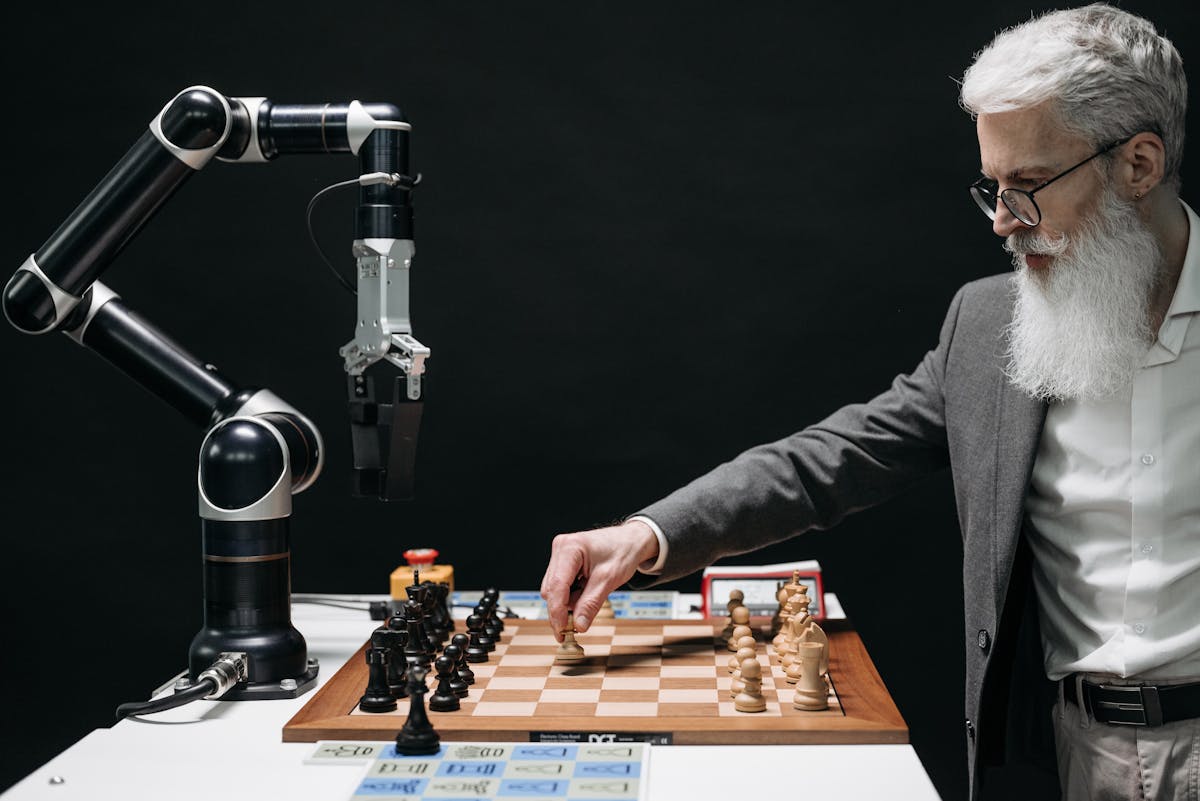
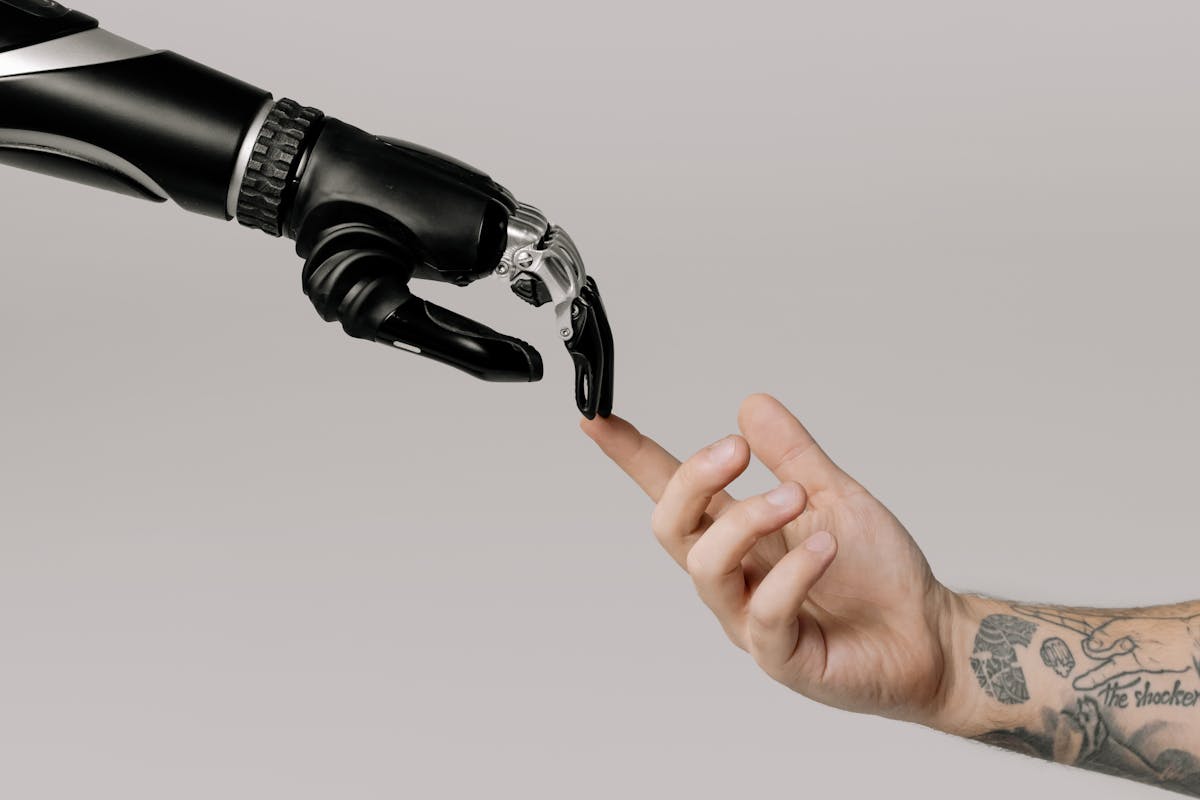
The workforce of 2027 won't be purely human or purely AI. It'll be blended — humans and digital employees working together, each contributing their strengths:
Humans Excel At
- Strategy and creative thinking
- Emotional intelligence and relationships
- Ethical judgment and nuance
- Novel problem-solving
- Leadership and motivation
Digital Employees Excel At
- Scale and speed
- Consistency and tirelessness
- Data processing and analysis
- Repetitive execution
- 24/7 availability
Managing a Blended Workforce
Managing digital employees requires new tools and practices. You can't manage 50 AI agents the same way you manage a Slack workspace — you need a control center.
ClawHQ is essentially the HR and management platform for digital employees:
- Onboarding: Deploy and configure new agents with standardized processes
- Performance management: Track metrics, identify top performers, flag underperformers
- Task assignment: Route work to the right agent based on skills and availability
- Team structure: Organize agents into functional teams with clear ownership
- Cost management: Track "compensation" (API costs) per agent
New Roles in the Digital Employee Era
Agent Fleet Manager
The person responsible for the health, performance, and productivity of the organization's AI agent fleet. Part DevOps, part people manager, part strategist.
Vibe Architect
Designs the overall system architecture, defining how agents collaborate, what constraints they operate within, and what outcomes they target. (Read more)
Human-AI Workflow Designer
Designs processes where human and AI work products feed into each other seamlessly. Understands both human psychology and agent capabilities.
The Ethical Dimension
Digital employees raise important questions:
- Transparency: Should customers know they're interacting with an AI agent?
- Accountability: Who is responsible when a digital employee makes a mistake?
- Equity: How do we ensure the productivity gains benefit workers, not just shareholders?
- Training data: Are digital employees trained ethically and without bias?
Organizations need to establish clear policies — just as they have HR policies for human employees.
Preparing for the Future
Whether you're a business leader, a developer, or an individual contributor, here's how to prepare:
- Learn agent management: Understanding how to deploy, monitor, and optimize AI agents is becoming a core skill
- Think in fleets: The value isn't in one agent — it's in orchestrated fleets
- Invest in management tools: ClawHQ and similar platforms are the infrastructure of the blended workforce
- Focus on uniquely human skills: Creativity, empathy, strategic thinking, and leadership become more valuable, not less
Ready to manage your agent fleet? Start managing your fleet for free→